These cards summarize the existing study. Open the full study for its argument, sources and qualifications.
Editorial summary · not a quotation
A communion in Christ
The Church, councils and the Fathers
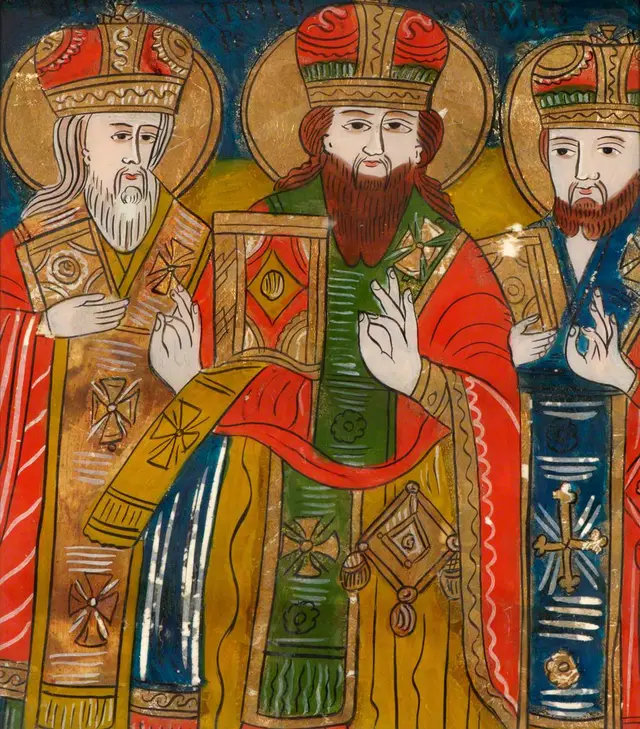
The Church is the Body of Christ, not merely a club for people with compatible religious opinions. Its life is Eucharistic, sacramental, and apostolic. A local community gathers under its bishop, and local churches share communion in the same faith. Holiness comes from Christ and the Spirit, not from a claim that every member or administrator behaves perfectly. Human failures need repentance and accountability. They do not justify replacing the Church with a private authority that declares itself beyond correction.
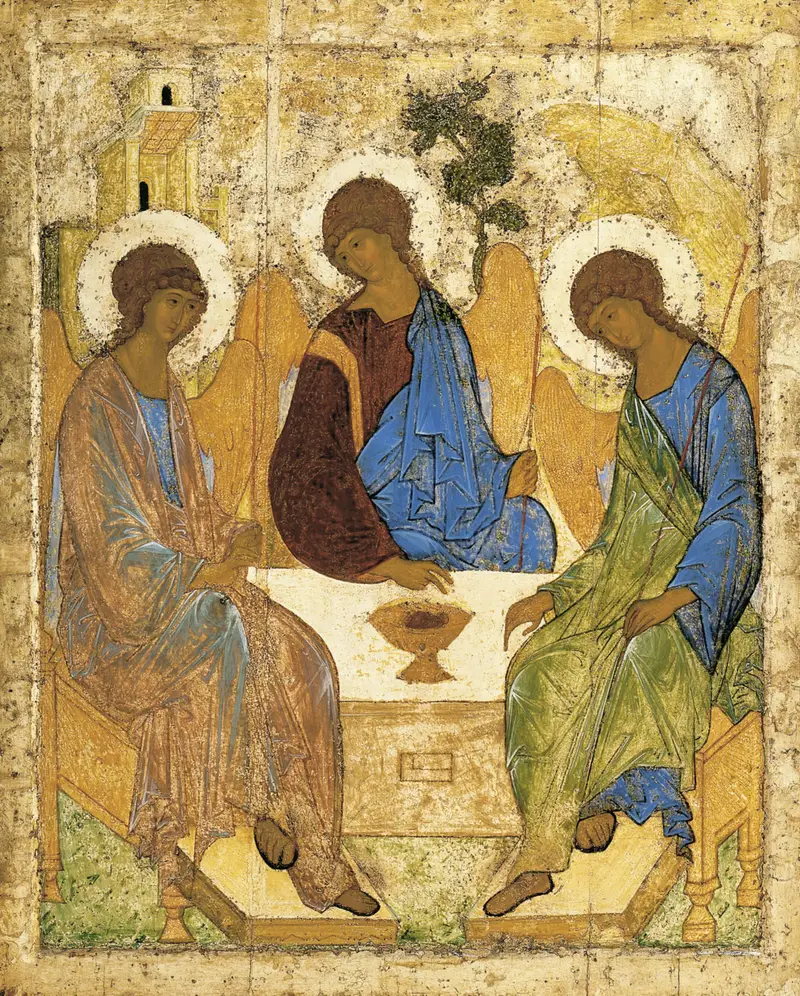
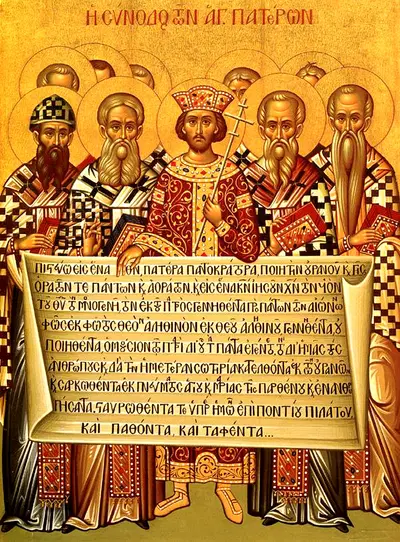
Nicaea I in 325, Constantinople I in 381, Ephesus in 431, Chalcedon in 451, Constantinople II in 553, Constantinople III in 680-681, and Nicaea II in 787 receive the Church’s universal recognition as the seven Ecumenical Councils. They safeguard the confession of the Trinity, the incarnate Christ, and the proper veneration of icons. Other councils also have important received authority. Calling a meeting ecumenical is not enough by itself; its teaching and reception within the Church matter.
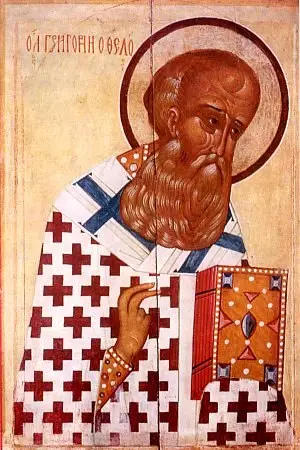
The Fathers witness to the apostolic faith through preaching, interpretation, doctrinal argument, and holy life. Their writings differ in genre and historical setting. A polemical remark, a personal counsel, and a conciliar definition should not be treated as interchangeable. Verify a quotation’s author, work, and wording before relying on it. A saint’s authority is not a license to attach a modern slogan to his name. Read widely enough to see the Church’s common confession while acknowledging genuine differences in explanation or speculative opinion.
The Church is the Body of Christ, expressed in Eucharistic communities in communion with one another. Orthodoxy receives the seven Ecumenical Councils and honors the Fathers as witnesses to the apostolic faith.
Not every sentence written by a saint is a dogmatic definition. A Father’s theological opinion must be distinguished from conciliar teaching and the Church’s wider reception.
01A communion in Christ
The Church is the Body of Christ, not merely a club for people with compatible religious opinions. Its life is Eucharistic, sacramental, and apostolic. A local community gathers under its bishop, and local churches share communion in the same faith. Holiness comes from Christ and the Spirit, not from a claim that every member or administrator behaves perfectly. Human failures need repentance and accountability. They do not justify replacing the Church with a private authority that declares itself beyond correction.
02The seven Ecumenical Councils
Nicaea I in 325, Constantinople I in 381, Ephesus in 431, Chalcedon in 451, Constantinople II in 553, Constantinople III in 680-681, and Nicaea II in 787 receive the Church’s universal recognition as the seven Ecumenical Councils. They safeguard the confession of the Trinity, the incarnate Christ, and the proper veneration of icons. Other councils also have important received authority. Calling a meeting ecumenical is not enough by itself; its teaching and reception within the Church matter.
03Using the Fathers carefully
The Fathers witness to the apostolic faith through preaching, interpretation, doctrinal argument, and holy life. Their writings differ in genre and historical setting. A polemical remark, a personal counsel, and a conciliar definition should not be treated as interchangeable. Verify a quotation’s author, work, and wording before relying on it. A saint’s authority is not a license to attach a modern slogan to his name. Read widely enough to see the Church’s common confession while acknowledging genuine differences in explanation or speculative opinion.
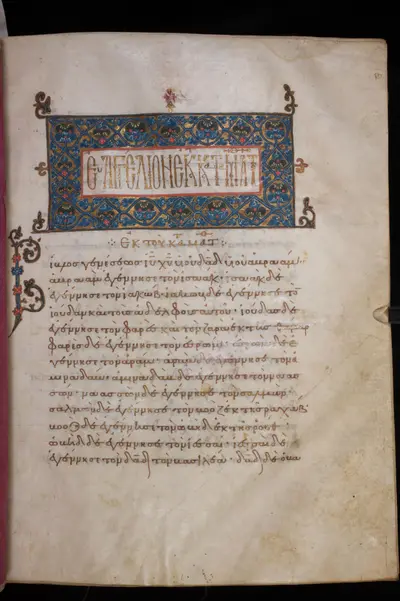
A page of a Greek Byzantine Gospel book, Minuscule 106, Chester Beatty Library W 135, folio 10r. Scripture itself is the shared subject, not a portrait assigned to a modern denomination.