These cards summarize the existing study. Open the full study for its argument, sources and qualifications.
Editorial summary · not a quotation
Created servants of God
Angels are creatures, not lesser gods
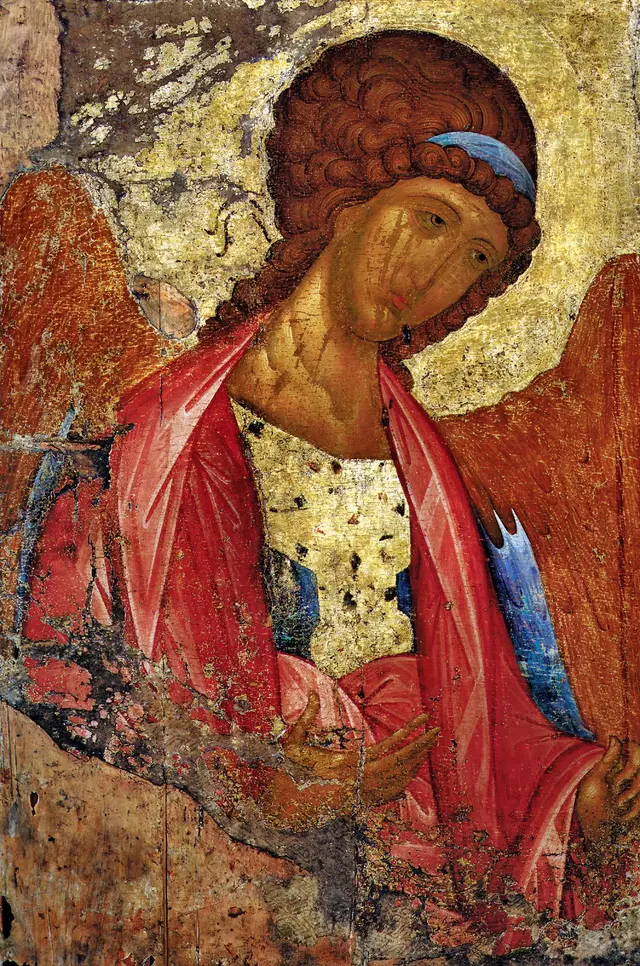
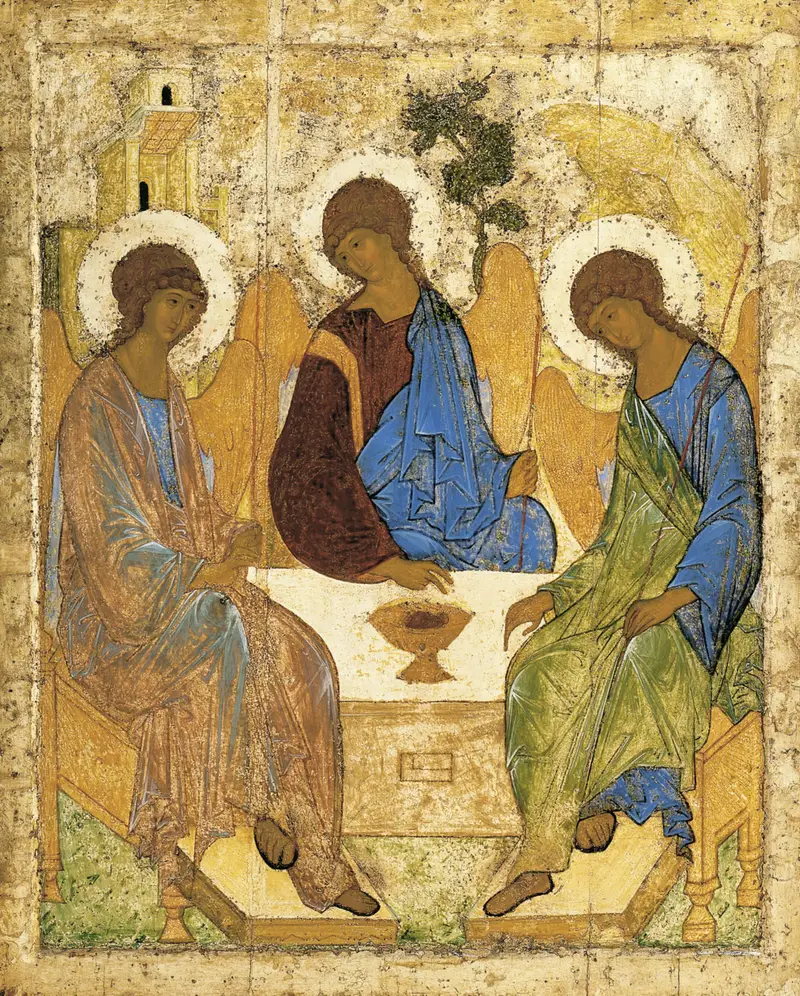
Exact Exposition II.3 describes angels as created rational beings serving God. Their existence, knowledge, and power depend on Him. They are not divine persons, independent cosmic rulers, or fragments of God. Calling them bodiless describes their relation to our material condition; it does not make them equal to the Creator or unlimited. Their ministry directs attention toward God’s care and worship. A Christian should not turn the study of angels into a competition to discover hidden beings with which to establish private spiritual control.
John presents angels as capable of choice, and the fall of evil spirits is a turning from goodness, not the discovery that creation was originally evil. Their knowledge is not the Creator’s omniscience, and their activity is not everywhere in the same divine manner. Scripture records angelic ministries at particular moments of salvation history. That witness should guide study more than speculative charts that confidently describe every rank, name, and task. A traditional interpretation may be meaningful without every elaboration becoming an essential dogma.
The Church commemorates the angelic powers and asks for their help in prayer, while worship belongs to God. Claims of private angelic messages should be discerned rather than automatically believed. Do not pursue occult invocations, divination, or techniques promising access to secret powers. Nor should every unusual event be announced as an angelic appearance. Begin with the scriptural witness and the Church’s worship. The appropriate practical response is gratitude, humility, and fidelity to God, not fascination that displaces Christ or encourages fear of a hidden spiritual bureaucracy.
In Exact Exposition II.3, Saint John describes angels as created rational beings who serve God. Their life and capacities depend on the Creator; they are not independent divine powers.
Bodiless does not mean equal to God or unlimited. Avoid treating speculative angelic details as essential requirements of faith.
01Created servants of God
Exact Exposition II.3 describes angels as created rational beings serving God. Their existence, knowledge, and power depend on Him. They are not divine persons, independent cosmic rulers, or fragments of God. Calling them bodiless describes their relation to our material condition; it does not make them equal to the Creator or unlimited. Their ministry directs attention toward God’s care and worship. A Christian should not turn the study of angels into a competition to discover hidden beings with which to establish private spiritual control.
02Freedom and limits
John presents angels as capable of choice, and the fall of evil spirits is a turning from goodness, not the discovery that creation was originally evil. Their knowledge is not the Creator’s omniscience, and their activity is not everywhere in the same divine manner. Scripture records angelic ministries at particular moments of salvation history. That witness should guide study more than speculative charts that confidently describe every rank, name, and task. A traditional interpretation may be meaningful without every elaboration becoming an essential dogma.
03Honor that remains directed to God
The Church commemorates the angelic powers and asks for their help in prayer, while worship belongs to God. Claims of private angelic messages should be discerned rather than automatically believed. Do not pursue occult invocations, divination, or techniques promising access to secret powers. Nor should every unusual event be announced as an angelic appearance. Begin with the scriptural witness and the Church’s worship. The appropriate practical response is gratitude, humility, and fidelity to God, not fascination that displaces Christ or encourages fear of a hidden spiritual bureaucracy.
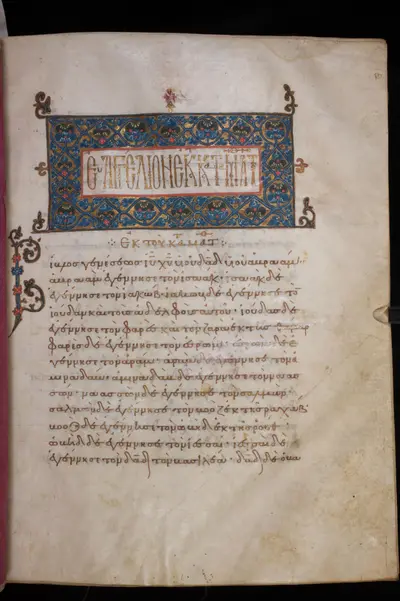
A page of a Greek Byzantine Gospel book, Minuscule 106, Chester Beatty Library W 135, folio 10r. Scripture itself is the shared subject, not a portrait assigned to a modern denomination.