These cards summarize the existing study. Open the full study for its argument, sources and qualifications.
Editorial summary · not a quotation
A shared confession, not a private theory
The Creed and the faith of the Church
The Creed places Christian faith within the worship and teaching of the Church. Its first-person confession is also the confession of the community into which a Christian is baptized. It identifies the God whom we worship, the saving work of the incarnate Son, the life-giving Holy Spirit, and the hope of resurrection. Memorizing its words is useful, but understanding them requires Scripture, the Church’s prayer, and a life of repentance. Faith is trust and fidelity, not merely passing a doctrinal examination.
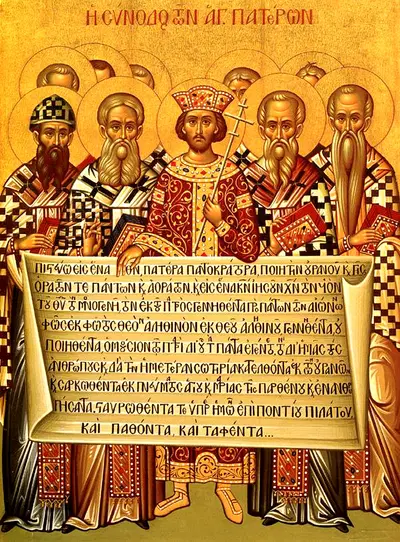
The first two Ecumenical Councils, Nicaea in 325 and Constantinople in 381, are associated with the Church’s Nicene-Constantinopolitan confession. Their concern was not to invent a new God but to safeguard the apostolic witness against interpretations that reduced the Son or the Spirit to creatures. The Son is of one essence with the Father. His becoming human does not mean that His divinity began at Bethlehem. The Holy Spirit is worshipped with the Father and the Son, not treated as an impersonal force.
The confession of one, holy, catholic, and apostolic Church belongs together with baptism, resurrection, and the coming age. Catholic describes the fullness and universality of the Church, not simply a later denominational name. Apostolic refers to continuity in faith and ministry, not only the age of an institution. Resurrection concerns the whole person, including the body. The Creed therefore connects doctrine with sacramental belonging and hope: it is neither a political membership pledge nor a promise that Christians will avoid every present suffering.
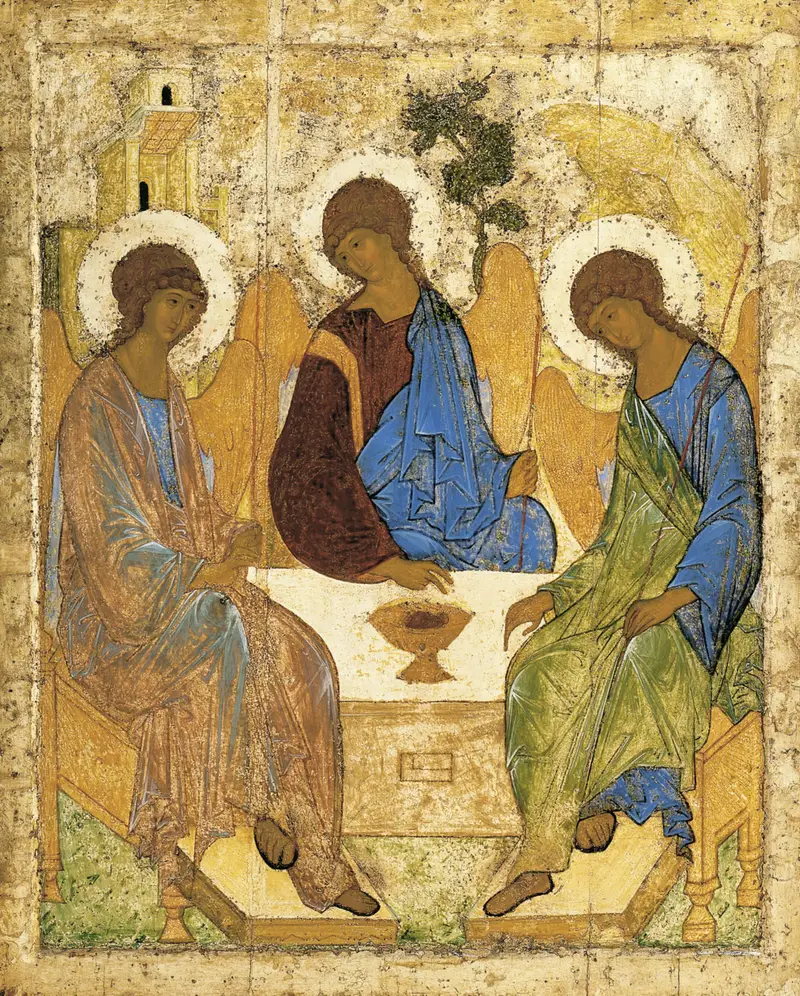
The Nicene-Constantinopolitan Creed confesses one God, the Father; one Lord Jesus Christ, the Son; the Holy Spirit; the one, holy, catholic and apostolic Church; one baptism; the resurrection of the dead; and the life of the age to come. “Catholic” here means the Church’s fullness and universality, not specifically the Roman Catholic denomination.
The Creed is read within Scripture, worship and the Church’s received faith. It is not merely a list of private opinions.
01A shared confession, not a private theory
The Creed places Christian faith within the worship and teaching of the Church. Its first-person confession is also the confession of the community into which a Christian is baptized. It identifies the God whom we worship, the saving work of the incarnate Son, the life-giving Holy Spirit, and the hope of resurrection. Memorizing its words is useful, but understanding them requires Scripture, the Church’s prayer, and a life of repentance. Faith is trust and fidelity, not merely passing a doctrinal examination.
02Why the councils matter
The first two Ecumenical Councils, Nicaea in 325 and Constantinople in 381, are associated with the Church’s Nicene-Constantinopolitan confession. Their concern was not to invent a new God but to safeguard the apostolic witness against interpretations that reduced the Son or the Spirit to creatures. The Son is of one essence with the Father. His becoming human does not mean that His divinity began at Bethlehem. The Holy Spirit is worshipped with the Father and the Son, not treated as an impersonal force.
03How to read its final articles
The confession of one, holy, catholic, and apostolic Church belongs together with baptism, resurrection, and the coming age. Catholic describes the fullness and universality of the Church, not simply a later denominational name. Apostolic refers to continuity in faith and ministry, not only the age of an institution. Resurrection concerns the whole person, including the body. The Creed therefore connects doctrine with sacramental belonging and hope: it is neither a political membership pledge nor a promise that Christians will avoid every present suffering.
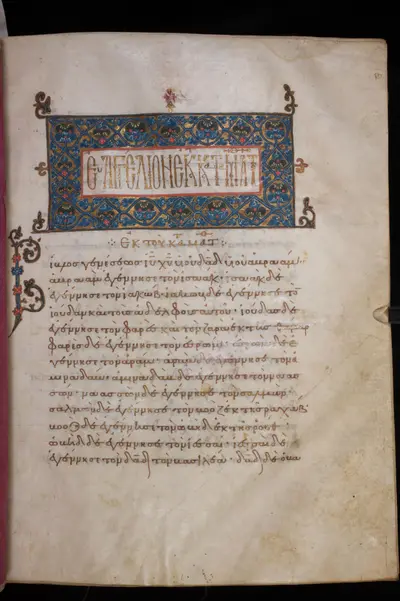
A page of a Greek Byzantine Gospel book, Minuscule 106, Chester Beatty Library W 135, folio 10r. Scripture itself is the shared subject, not a portrait assigned to a modern denomination.